Give every performance car a job
A healthy dealership does not need two hundred cars that all occupy the same top tier. It needs a route through the catalog. An affordable coupe introduces new players to the car scene. A middle tier rewards regular work and supports club racing. A small aspirational tier gives the economy somewhere to go. Pursuit or track variants can sit outside the public showroom entirely.
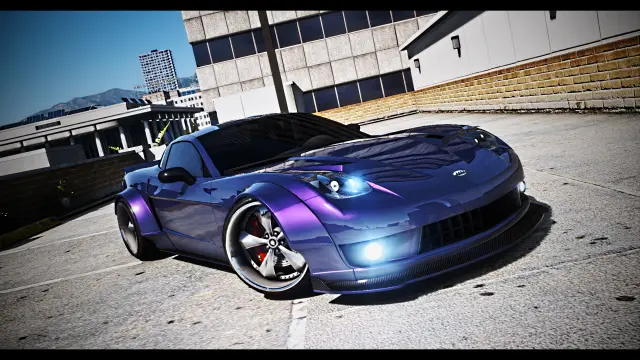
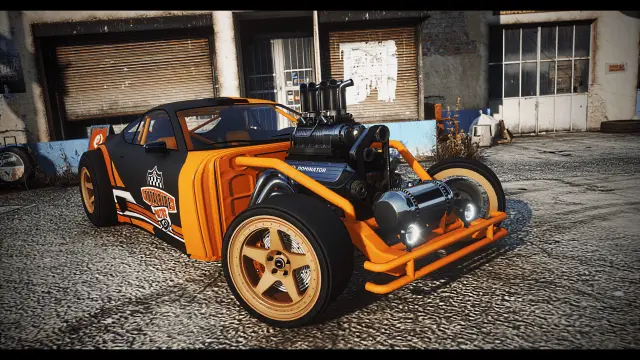
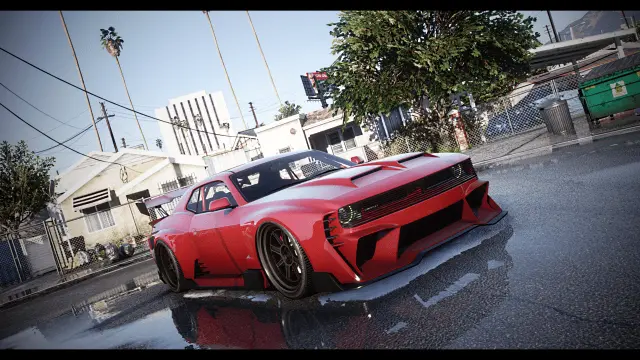
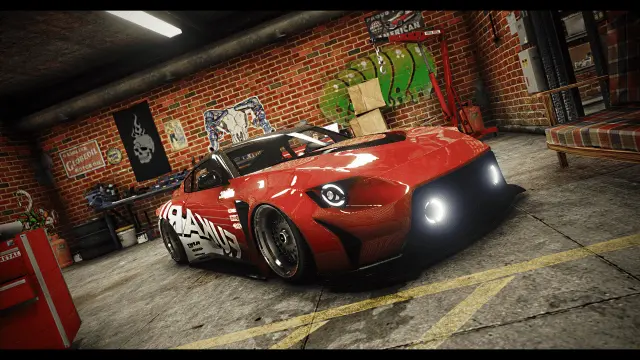
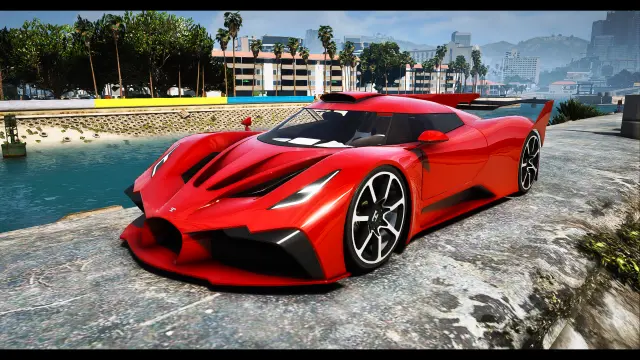
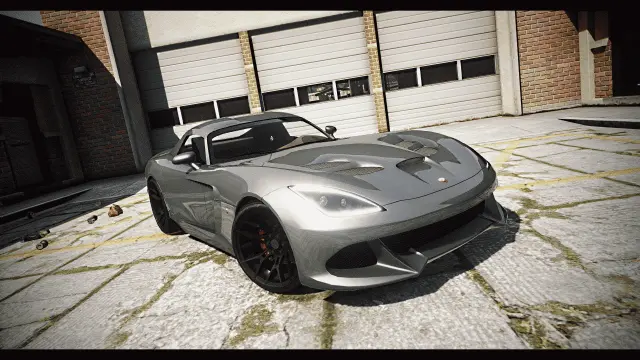
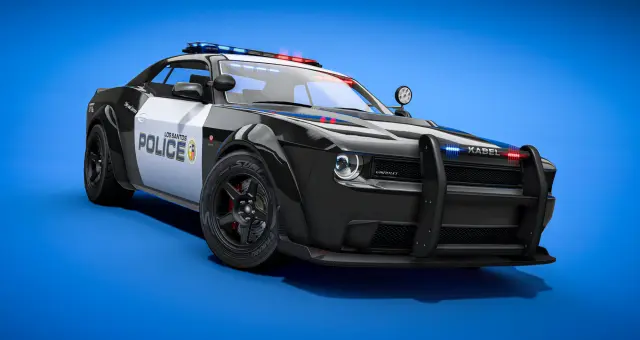
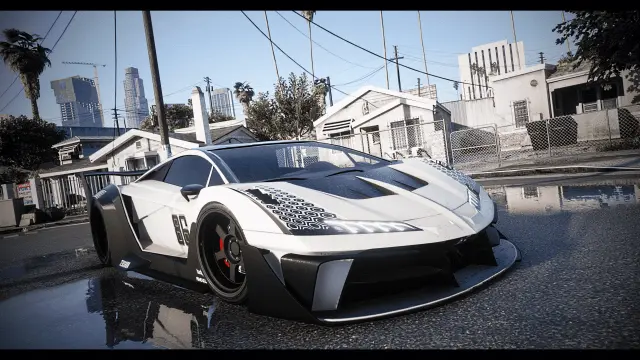
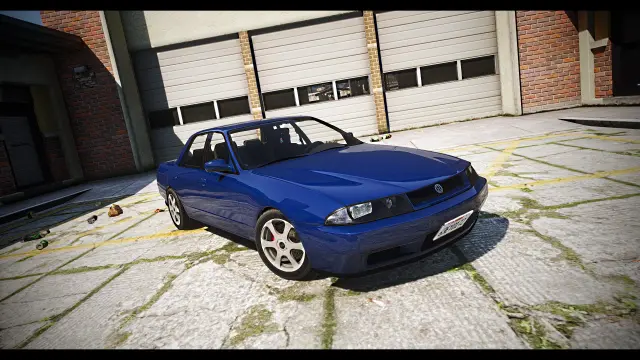
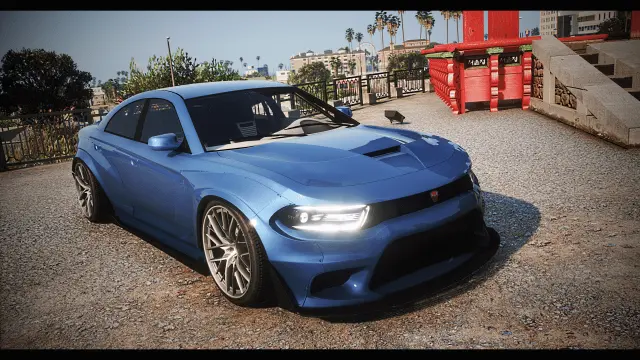
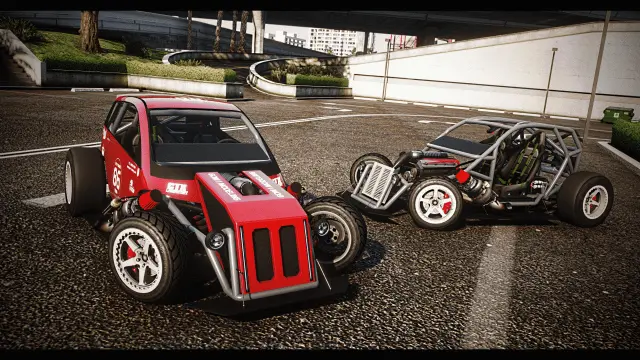
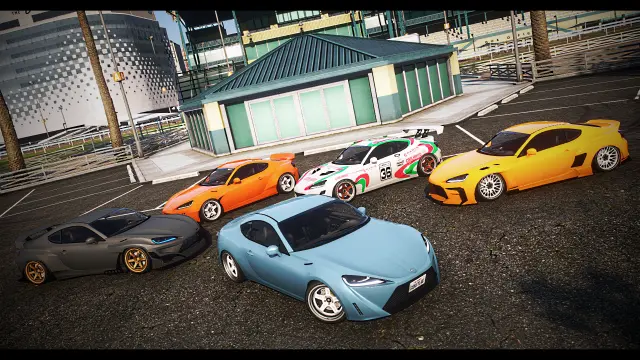
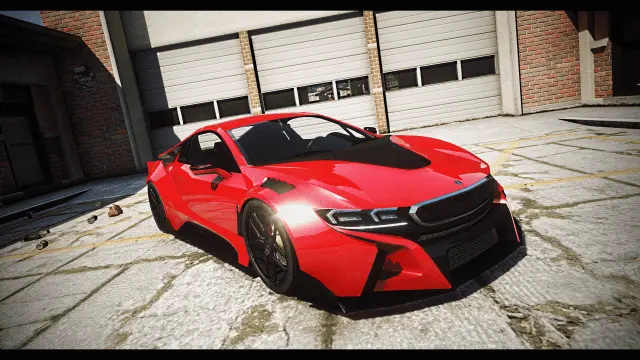
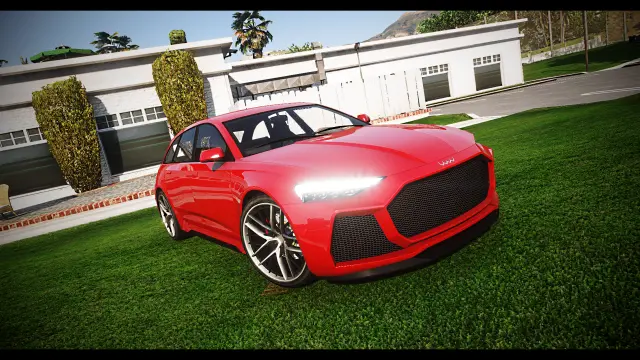
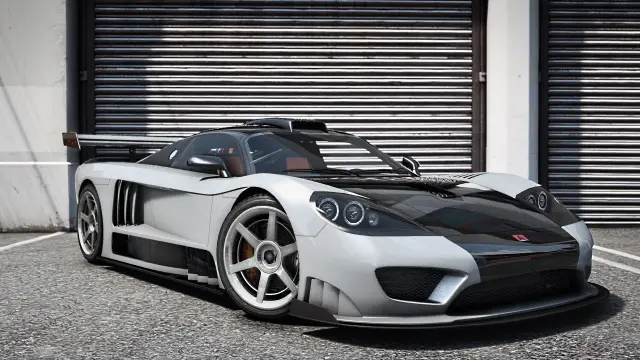
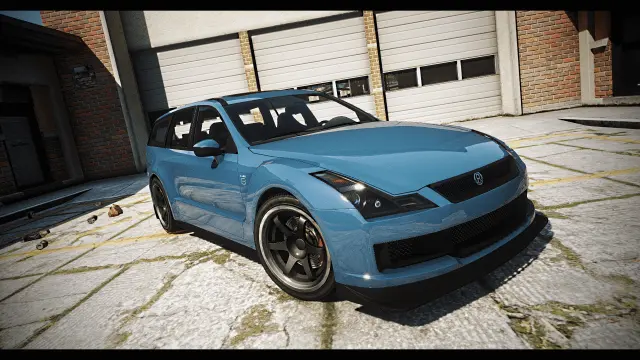
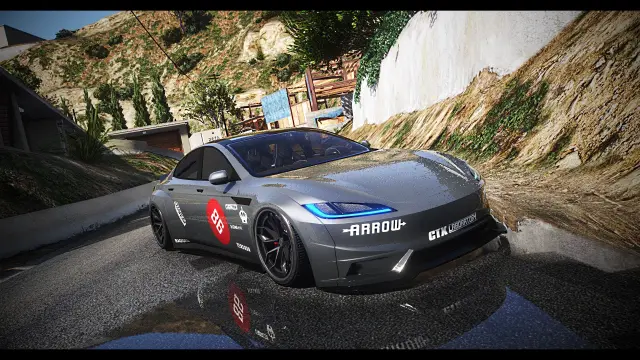
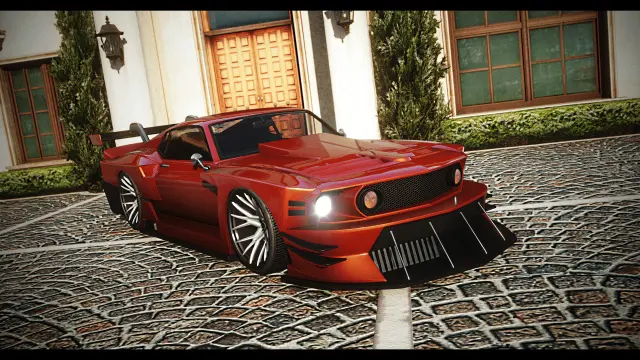
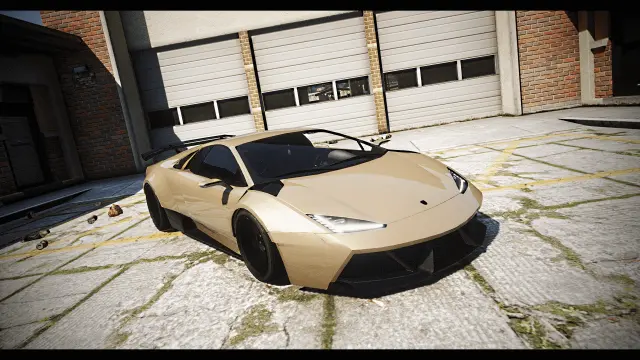
The sports category covers more than pure supercars. It includes tuned coupes, drift-related builds, modern muscle, classic performance cars and emergency variants that also belong to other collections. Use the listing's stated handling and role rather than assuming every product is a civilian road car.
Build performance tiers before setting prices
Start by driving each candidate on the same route with the same driver. Record acceleration to a fixed landmark, braking distance, corner stability and top speed on a road long enough to reach it. The numbers do not need laboratory precision. They need to be consistent enough to show which vehicles belong together.
Create three or four classes and price inside those classes. A visually exotic car with moderate pace can still command a premium for customization and rarity. A plain-looking sleeper may be quicker but cheaper to buy and more expensive to tune. This separates identity from raw speed and gives mechanics, racers and collectors different reasons to spend.
What to inspect on a listing
- Handling type. Street, race, drift and drag setups behave differently. Choose the one that fits the activities you actually run.
- Braking and stability. Fast acceleration is easy to advertise. Predictable braking, suspension and recovery after a collision matter more during live roleplay.
- Tuning range. Body parts, wheels, spoilers, cages and liveries extend a car's life in a player-owned shop. Confirm how the options are exposed.
- Audio. Addon sound should match the car and avoid replacing a base-game sound used elsewhere. Test several nearby vehicles for volume balance.
- LODs and textures. Sports cars attract close-up detail, but they still need to become cheaper to render at distance. Check published technical figures and test a full grid.
- Lore fit. Fictional in-game manufacturers keep the showroom visually connected to Los Santos and avoid relying on a removed real-world badge.
Protect the rest of the server from speed creep
If every new release is faster than the last, police vehicles, races and vehicle prices all need constant retuning. Set a server speed ceiling and reject or retune cars that exceed it without a deliberate reason. Balance police around sustained pursuit and driver skill, not a cruiser that beats every civilian car in a straight line.
Racing classes should be separate from dealership price bands. Two similarly priced cars may need different race groups because one is built for grip and another for drift. Publish the class rules where players can see them and keep an event-only blacklist for vehicles with unusual boosts, extreme downforce or specialist scripts.
Installation and acceptance testing
Most add-on sports cars run independently of ESX, QBCore or Qbox. Install the resource, start it in server.cfg, and add its spawn code to the appropriate dealership and garage configs. Any custom script, game-build requirement or protected dependency should be listed on the product page.
Complete the test through normal player systems: purchase, finance if enabled, garage storage, mechanic modification, impound and resale. Check display labels and prices after a restart. Finally, put several different cars on a busy city route and watch frame rate, texture loading and audio. The best sports car for a live server is the one that remains believable when it is no longer alone in a showcase.
 86
 55
 15
 05
 36
 08
 40
 39
 70
 37
 06
 36
 10
 80
 37
 99
 04
 14
 94
 55
 71
 01
 49
 97